

Rail Cutting Machine in Patel Nagar
1. Neekuma operates as a dependable rail cutting machine trader in Patel Nagar because it understands that railway contractors, infrastructure companies, metro project operators, and track maintenance depots require cutting solutions that deliver repeatable accuracy across varied rail profiles, site conditions, and project scales, where cutting precision directly determines track alignment quality, joint integrity, and long-term infrastructure safety.
Rail cutting machines deliver square, burr-minimal cut faces with consistent disc speed that produces specification-compliant results while operating effectively across flat bottom rails, crane rails, grooved tram rails, and heavy structural steel sections where dimensional accuracy matters for every track joint that follows the cut.
Contact Neekuma, the reliable rail cutting machine wholesaler in Patel Nagar, to determine your specific rail cutting requirements. Our team will assess your actual rail profile type, project scale, site power supply conditions, and cutting volume before delivering genuine equipment recommendations developed through comprehensive expertise across diverse railway construction and track maintenance applications. We provide wholesale pricing details, complete technical specifications, and comprehensive after-sales support that ensures your rail cutting machine performs at peak cutting efficiency throughout every project phase and maintenance cycle.
Explore More In Rail Cutting Machine
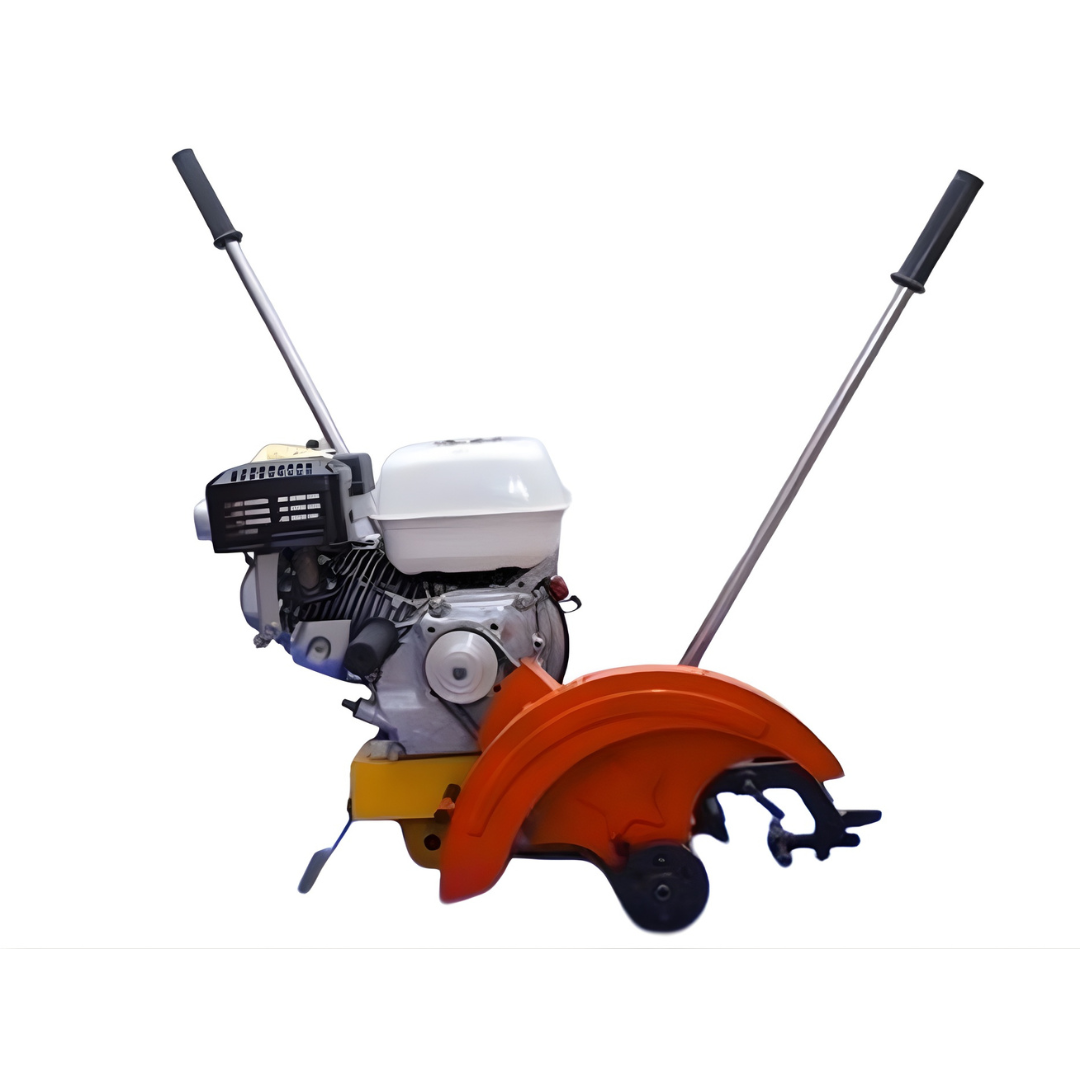

The operational advantages for your infrastructure project or track maintenance operation begin after you invest in quality rail cutting machines from Neekuma, your trusted rail cutting machine supplier in Delhi NCR.
Cutting Precision and Accuracy: Rail cutting machines deliver dimensionally accurate, square-cut faces through hardened rail steel that meet track-laying tolerances straight off the machine—eliminating secondary grinding passes, reducing rework on active construction sites, and ensuring every track joint alignment meets the structural and safety specifications that railway infrastructure demands across every cutting cycle.
Heavy-Duty Operational Reliability: Quality rail cutting machines demonstrate consistent performance because they withstand the extreme material resistance, operational vibration, and continuous cutting load demands of active railway infrastructure sites. The equipment maintains dependable cutting output throughout intensive multi-shift cutting schedules when project timelines demand continuous rail section processing without machine downtime interrupting workflow.
Operator Safety and Protection: The dedicated rail cutting machines include operator protection systems, which use reinforced disc guards and spark deflector shields and secure rail clamping systems to protect operators during rapid abrasive cutting tasks while meeting active infrastructure site safety compliance requirements because the system reduces operator exposure to cutting debris, sparks, and disc fragmentation hazards, which unregulated cutting methods create.
Versatile Rail Profile Compatibility: Rail cutting machines accommodate diverse rail profile types and cutting requirements ranging from standard flat-bottom passenger track rails to heavy crane rails and grooved urban tram rails—handling the full range of Patel Nagarn railway infrastructure cutting requirements without additional specialized equipment investment across varied project types.
Low Running and Maintenance Costs: Rail cutting machines can handle all cutting tasks of Patel Nagarn railway systems because they accept all rail profile types and require all possible rail cutting methods, from standard flat-bottom passenger track rails to heavy crane rails and grooved urban tram rails.
Site Portability and Deployment Flexibility: The design of rail cutting machines uses durable components, which maintenance teams can repair through simple disc changes and motor fixes and clamping system tune-ups. This maintenance approach decreases equipment downtime expenses while maintaining continuous cutting work during long-term infrastructure development projects.